The Holistic Revolution: Why Value-Added Services and Wellness Programs Are the Future of Employee Benefits
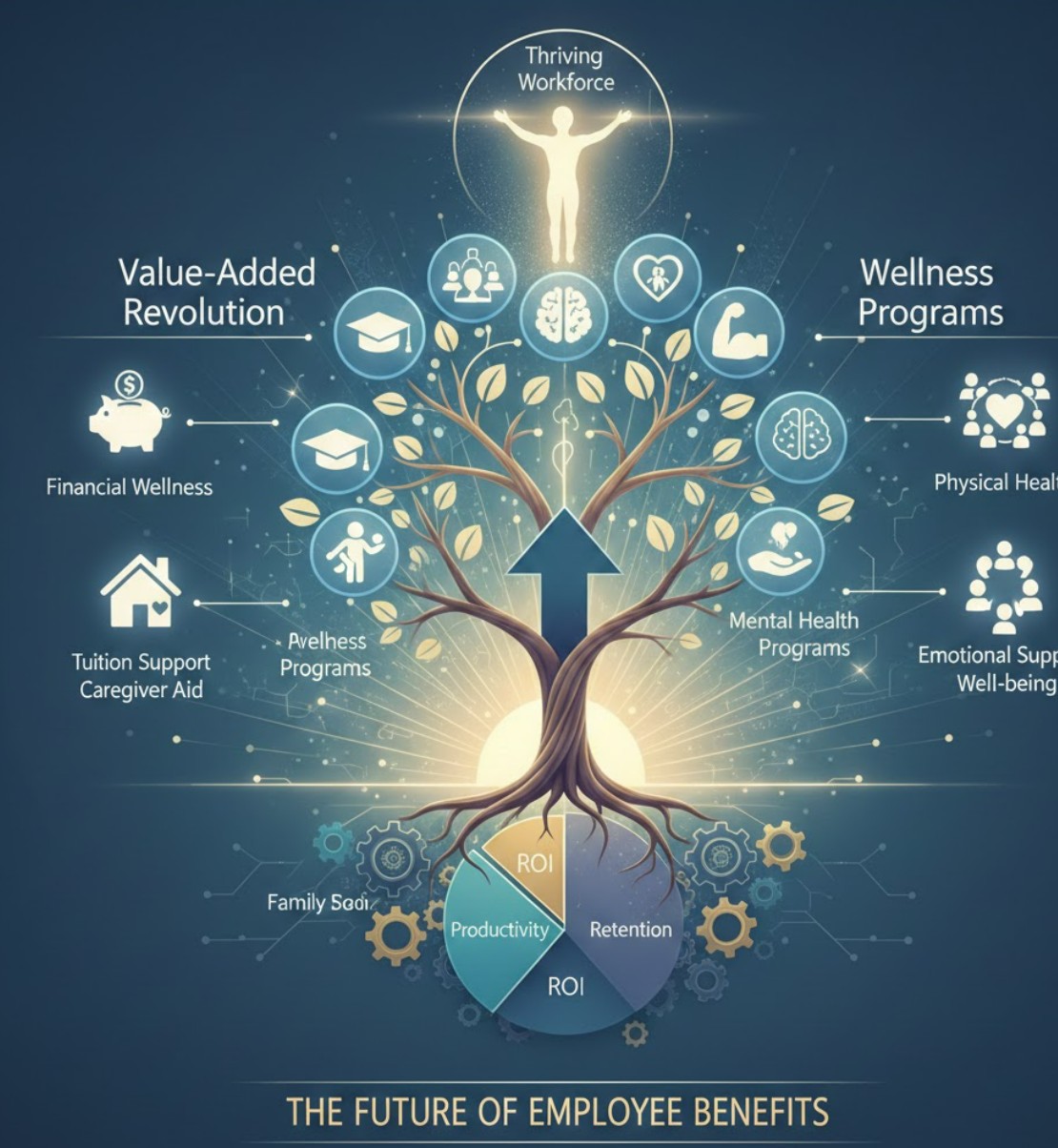
In today’s competitive landscape, employee benefits are no longer just a necessity—they are a strategic asset. The era of merely offering basic health insurance and a standard retirement plan is fading. Forward-thinking organizations are recognizing that true value lies in fostering the whole person—their physical, mental, and financial well-being. This shift has catapulted Value-Added Services (VAS) and Comprehensive Wellness Programs from optional perks to essential components of a thriving corporate culture.
This article delves into the burgeoning trend of incorporating these holistic benefits, exploring their profound impact on employee engagement, retention, and a company’s bottom line, and highlighting the specific trends shaping the future of employee support in 2026 and beyond.
What are Value-Added Services (VAS) and Wellness Programs?
While traditional benefits focus on risk protection and compensation, Value-Added Services and Wellness Programs are designed to be proactive, preventative, and personalized.
Comprehensive Wellness Programs
These are structured initiatives focused on improving the overall health of employees. They are moving beyond simple gym discounts to embrace a holistic model that addresses the interconnectedness of human health.
-
Physical Wellness: Fitness stipends, wearable technology integration (smartwatches, rings), preventative health screenings, and on-site flu shot clinics.
-
Mental and Emotional Wellness: Employee Assistance Programs (EAPs) offering counseling and crisis support, mental health days, mindfulness workshops, and stress management sessions.
-
Social Wellness: Team-building activities, community volunteering, and initiatives to foster a greater sense of belonging and connection in the workplace.
Strategic Value-Added Services (VAS)
These are supplementary benefits, often integrated with core insurance or health plans, that enhance the utility and perceived value of the main offering. They are typically convenience-focused and life-management oriented.
-
Financial Wellness: Access to financial advisors, retirement planning tools, debt management workshops, and tuition reimbursement or student loan repayment assistance.
-
Care and Family Support: Enhanced parental leave, dependent care stipends, and resources for employees managing caregiving responsibilities.
-
Convenience & Access: Telemedicine/virtual care for quick, non-emergency consultations, second-opinion medical services, and access to specialty health networks.
The Strategic Business Imperative: More Than Just a Perk
The investment in comprehensive employee well-being is not a charitable expense; it is a calculated business strategy with a clear Return on Investment (ROI). Companies that genuinely support their employees see tangible benefits across key operational metrics.
1. Boosting Employee Engagement and Productivity
A healthier employee is a more productive and engaged employee. When organizations provide resources for stress management and physical health, they are equipping their workforce to operate at their best.
-
Reduced Stress and Burnout: Mental health resources like EAPs and flexible work arrangements directly address the rising tide of workplace burnout, leading to a more focused and resilient workforce. Studies suggest that employees with high well-being are significantly more likely to adapt to change.
-
Enhanced Performance: Healthier habits—fostered by nutrition and fitness programs—improve energy, focus, and cognitive function. This leads to higher-quality work and increased output.
2. The Talent Advantage: Attraction and Retention
In a tight labor market, benefits are a powerful differentiator. The new generation of talent actively seeks employers who prioritize their quality of life.
-
A Competitive Edge: A robust package of VAS and wellness programs signals to prospective employees that the company is invested in their long-term welfare, making the organization an employer of choice.
-
Lower Turnover: Employees who feel valued and supported are more loyal. Investing in wellness programs significantly improves employee satisfaction, directly contributing to higher retention rates and reducing the high costs associated with recruitment and training. Research indicates that a large majority of employees would consider leaving a company that doesn’t prioritize well-being.
3. Controlling Healthcare Costs and Absenteeism
A focus on preventative care is the most effective way to manage long-term healthcare expenses.
-
Preventative Focus: Wellness programs encourage regular health screenings, promote healthy lifestyles, and offer disease management support. By catching potential issues early and managing chronic conditions, organizations can significantly reduce catastrophic claims and overall healthcare utilization.
-
Less Time Off: Healthier employees take fewer sick days. Financial wellness programs also play a role, as reducing financial stress can lower the physical and mental health issues that lead to absenteeism.
2026 and Beyond: The Emerging Trends in Wellness
The wellness landscape is evolving rapidly, driven by technological advancements, workforce diversity, and a greater understanding of holistic health.
1. Personalization Through AI and Wearable Tech
The future is hyper-personalized. AI is being leveraged to analyze individual health data from wearables (smart rings, watches) and health assessments to create tailored wellness roadmaps.
-
Data-Driven Interventions: Customized recommendations for nutrition, exercise, and stress management, moving far beyond the “one-size-fits-all” gym membership.
-
Advanced Health Monitoring: The rise of specialized blood testing, microbiome sequencing, and biological age tests is enabling a more proactive, preventative approach to health management.
2. Mental Health as a Foundational Benefit
The normalization of mental health support is a critical trend. It is no longer an ancillary service but a core component of benefit packages.
-
Proactive Support: Companies are moving toward offering paid Mental Health Days separate from general PTO and embedding mental health first aid training into leadership programs.
-
Somatic and Body-Based Healing: A growing trend acknowledges that stress and trauma are held in the body. Somatic practices like breathwork, cold plunges, and specialized bodywork are becoming more mainstream wellness offerings.
3. The Rise of Financial and Caregiver Wellness
As financial stress remains a major barrier to overall well-being, support in this area is expanding.
-
Targeted Financial Education: One-on-one financial coaching sessions, student loan repayment benefits, and customized resources for retirement planning.
-
Family-Focused Support: Enhanced benefits for employees with caregiving responsibilities, including specialized health support for major life stages like menopause and increased support for dependent care (e.g., childcare stipends).
4. Flexible Work as a Wellness Strategy
Flexible and non-traditional work arrangements are increasingly viewed as a crucial tool for well-being and burnout prevention.
-
Hybrid Models and Compressed Weeks: Offering custom schedules, compressed workweeks, and the option for hybrid work are seen as concrete ways to improve work-life balance and demonstrate trust.
-
Modeling Healthy Behavior: Organizational culture is key, with leaders being encouraged to actively take time off and model healthy boundaries to normalize rest for all employees.
Building a Thriving Wellness Ecosystem: A Phased Approach
For organizations looking to implement or upgrade their programs, success requires a strategic, phased approach:
-
Needs Assessment: Begin with anonymous surveys and focus groups to understand the actual needs and desires of your unique workforce. A personalized program is an effective one.
-
Leadership Buy-in: Secure genuine and visible commitment from the C-suite. When executives actively participate and champion the programs, it reinforces their importance and increases employee uptake.
-
Program Design and Communication: Design diverse offerings that address physical, mental, and financial health. Communicate the benefits clearly and through multiple channels to ensure every employee knows what is available and how to access it.
-
Measurement and Adaptation: Continuously monitor key metrics—participation rates, employee feedback, and impact on retention/absenteeism. A great wellness program is a living document, ready to evolve based on data and changing workforce needs.
The Bottom Line
Value-Added Services and comprehensive Wellness Programs are more than a modern fad; they represent an enduring, long-term investment in human capital. By adopting a holistic, person-centered approach to benefits, organizations can cultivate a healthier, more engaged, and more loyal workforce. This strategic focus on well-being is the key differentiator for businesses looking to thrive, manage costs, and attract top talent in the dynamic marketplace of the future. The time to transition from basic benefits to a truly valuable wellness ecosystem is now.