Building Your Body’s Fortress: The Power of Immune-Boosting Vitamin A Foods
In an increasingly health-conscious world, the quest for a robust immune system has taken center stage. While countless supplements and trendy superfoods vie for our attention, sometimes the most potent allies are the ones we’ve known all along. Among these, Vitamin A stands out as a true cornerstone of immunity, often referred to as the “anti-infection vitamin” and the “mucosal shield” builder. Far from just being good for our eyes, this vital nutrient plays a multifaceted role in fortifying our body’s defenses, from the very first line of attack to the sophisticated responses of our adaptive immune system
Recent scientific consensus, bolstered by the 2024 VINA (Vitamin A in a New Age) Progress Report, has highlighted Vitamin A’s critical function in maintaining the integrity of our physical barriers against pathogens and modulating immune responses to prevent over-inflammation. The good news? Our kitchens are brimming with delicious and accessible foods that can help us harness this power.
Understanding Vitamin A’s Immune Arsenal
To truly appreciate the immune-boosting power of Vitamin A, it’s essential to understand its diverse mechanisms of action:
-
The Mucosal Barrier Builder: Imagine your body’s entry points – your respiratory tract, digestive system, and even your skin – as fortified walls. Vitamin A is crucial for the development and maintenance of these mucous membranes. It ensures that the cells lining these surfaces are healthy, tightly packed, and capable of producing the protective mucus that traps pathogens and prevents them from entering the bloodstream. A deficiency in Vitamin A can weaken these barriers, making you more susceptible to infections.
-
Regulator of Immune Cell Development: Vitamin A is vital for the proper development and differentiation of various immune cells, including T-lymphocytes (T-cells), B-lymphocytes (B-cells), and natural killer (NK) cells. These cells are the specialized soldiers of your immune system, responsible for identifying and destroying invaders. Without adequate Vitamin A, their production and function can be impaired.
-
Anti-Inflammatory Modulator: While inflammation is a necessary part of the immune response, chronic or excessive inflammation can be detrimental. Vitamin A helps to balance the immune system, ensuring that it responds appropriately to threats without causing undue damage to healthy tissues. It influences the production of cytokines, which are signaling molecules that regulate inflammatory processes.
-
Enhancer of Phagocytic Activity: Phagocytes, such as macrophages, are immune cells that “eat” or engulf harmful microorganisms and cellular debris. Vitamin A boosts the activity of these phagocytes, making them more efficient at clearing out pathogens.
-
Antioxidant Protection: Although its direct antioxidant role is debated in comparison to others, Vitamin A (especially its carotenoid precursors) contributes to overall cellular health by neutralizing free radicals, which can otherwise damage immune cells and impair their function.
Two Forms, One Goal: Getting Enough Vitamin A
Vitamin A comes in two primary forms in our diet:
-
Preformed Vitamin A (Retinoids): Found in animal-derived foods, this form is readily used by the body. It includes retinol, retinal, and retinoic acid.
-
Provitamin A Carotenoids: Found in plant-based foods, these are compounds like beta-carotene, alpha-carotene, and beta-cryptoxanthin, which the body converts into active Vitamin A. Beta-carotene is the most efficient of these converters.
Both forms are crucial, and a balanced diet incorporating both will ensure optimal intake.
Top Immune-Boosting Vitamin A Foods
Now, let’s explore the delicious and nutritious foods that can help you bolster your immune system with Vitamin A.
From the Animal Kingdom (Preformed Vitamin A):
-
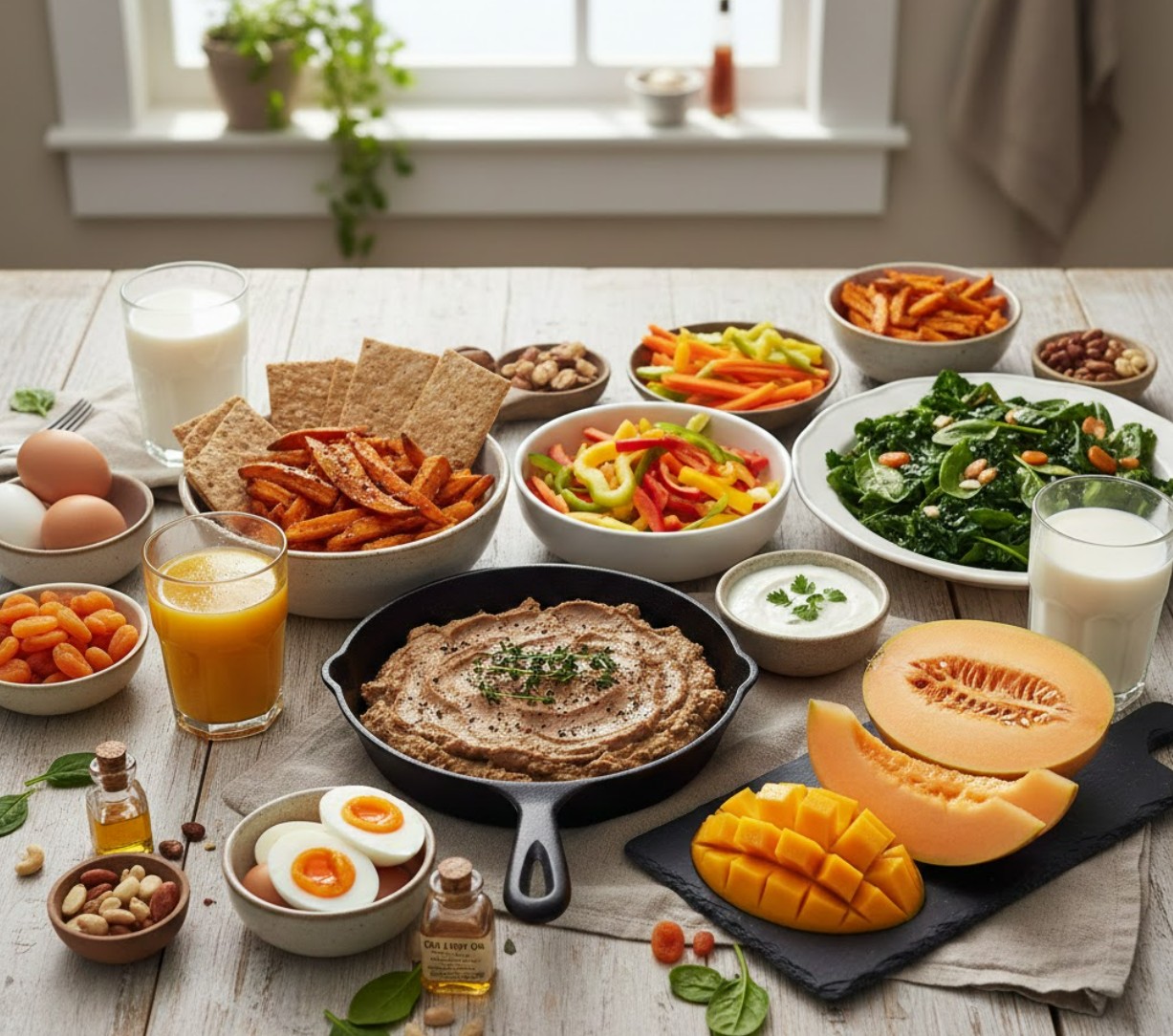
Liver (Beef, Chicken, Cod): Without a doubt, liver is the most concentrated source of preformed Vitamin A. A small serving can provide several times your daily recommended intake. While its taste might not be for everyone, incorporating it occasionally (e.g., as pâté or in a stir-fry) can be a powerful immune boost.
-
Tip: If you’re new to liver, try chicken liver pâté on whole-grain crackers or finely minced beef liver mixed into ground meat dishes.
-
-
Cod Liver Oil: This traditional supplement is not only rich in Vitamin A but also provides beneficial omega-3 fatty acids and Vitamin D, making it a triple threat for immune health.
-
Tip: Look for high-quality, reputable brands that offer tested purity.
-
-
Dairy Products (Milk, Cheese, Yogurt – Fortified): Many dairy products in Western countries are fortified with Vitamin A. While the natural content can vary, fortified versions contribute significantly to daily intake, especially for those who consume dairy regularly.
-
Tip: Opt for whole or 2% milk and yogurt, which retain more of the fat-soluble vitamins.
-
-
Eggs: The yolk of an egg is a good source of Vitamin A, along with other essential nutrients like Vitamin D and choline.
-
Tip: Enjoy eggs in various ways: scrambled, poached, in omelets, or as a frittata.
-
-
Fatty Fish (Salmon, Mackerel, Tuna): While primarily known for their omega-3 content, some fatty fish also contain decent amounts of Vitamin A, particularly wild-caught varieties.
-
Tip: Aim for at least two servings of fatty fish per week.
-
From the Plant Kingdom (Provitamin A Carotenoids):
These vibrant foods are packed with antioxidants and the precursors your body needs to create Vitamin A. They are often best consumed with a source of fat (like olive oil, avocado, or nuts) to enhance absorption.
-
Sweet Potatoes: The undisputed champion of beta-carotene in the vegetable world! Their vibrant orange flesh is a powerhouse.
-
Tip: Roast them with a drizzle of olive oil, mash them, or turn them into fries.
-
-
Carrots: Another classic and easily accessible source of beta-carotene. The deeper the orange color, the more carotenoids they contain.
-
Tip: Enjoy raw as a snack, added to salads, or roasted alongside other vegetables.
-
-
Dark Leafy Greens (Spinach, Kale, Collard Greens, Swiss Chard): Don’t let their green color fool you; these leafy giants are loaded with beta-carotene, often masked by chlorophyll.
-
Tip: Sauté with garlic and olive oil, add to smoothies (you won’t taste them!), or use as a base for salads.
-
-
Winter Squashes (Butternut, Acorn, Pumpkin): Similar to sweet potatoes, these squashes boast rich orange and yellow hues, indicating high levels of provitamin A carotenoids.
-
Tip: Roast them, make creamy soups, or use them in baked goods.
-
-
Red and Yellow Bell Peppers: These colorful vegetables provide a good amount of beta-cryptoxanthin and beta-carotene, along with Vitamin C, another immune booster.
-
Tip: Add them raw to salads, stir-fries, or fajitas.
-
-
Cantaloupe and Mangoes: These delicious fruits offer a sweet way to get your provitamin A.
-
Tip: Enjoy fresh as a snack, in fruit salads, or blended into smoothies.
-
-
Apricots: Both fresh and dried apricots are good sources of beta-carotene.
-
Tip: Add dried apricots to trail mix, oatmeal, or yogurt.
-
Maximizing Absorption and Safety
To get the most out of your Vitamin A-rich foods:
-
Pair with Fat: Remember that Vitamin A is fat-soluble. Always consume provitamin A carotenoids (from plants) with a source of healthy fat (e.g., olive oil, avocado, nuts, seeds) to significantly enhance absorption.
-
Gentle Cooking: While cooking can sometimes enhance the bioavailability of carotenoids by breaking down cell walls, excessive cooking can also degrade them. Steaming, light sautéing, or roasting are generally good methods.
-
Balance is Key: While supplements can be beneficial under medical guidance, it’s always best to prioritize whole food sources. Excessive intake of preformed Vitamin A (retinoids), particularly from high-dose supplements, can lead to toxicity, especially for pregnant individuals. The body regulates the conversion of provitamin A carotenoids much more safely, making toxicity from plant sources extremely rare.
Conclusion
Vitamin A is far more than just a vitamin for good vision; it’s a foundational nutrient for a resilient immune system. By consciously incorporating a diverse array of both animal- and plant-based Vitamin A-rich foods into your diet, you are actively building and maintaining your body’s internal fortress. From strengthening your mucosal barriers to orchestrating the complex dance of immune cells, Vitamin A works tirelessly behind the scenes to keep you healthy and ready to face the world. So, embrace those vibrant orange veggies, enjoy your fortified dairy, and give your immune system the powerful support it deserves