Why Do I Feel Tired All the Time? 6 Common Medical Reasons for Chronic Fatigue
- Waking up tired even after 8 hours of sleep? Discover 6 common medical reasons for constant fatigue and practical steps to get your energy back.
Medical Disclaimer: The information in this article is for educational purposes only and is not a substitute for professional medical advice, diagnosis, or treatment. Always consult with a qualified healthcare provider regarding any medical condition.
We have all had those days. You hit the snooze button three times, drag yourself out of bed, rely on a double shot of espresso to get through the morning, and start crashing by 3:00 PM.
Usually, we blame our busy schedules, a late night of scrolling on our phones, or a stressful week at work. But what happens when you are getting 8 hours of sleep, eating relatively well, and still feel like you are running on empty?
If your fatigue is persistent, heavy, and doesn’t improve with rest, it is not just “normal tiredness.” Your body might be trying to send you a warning sign.
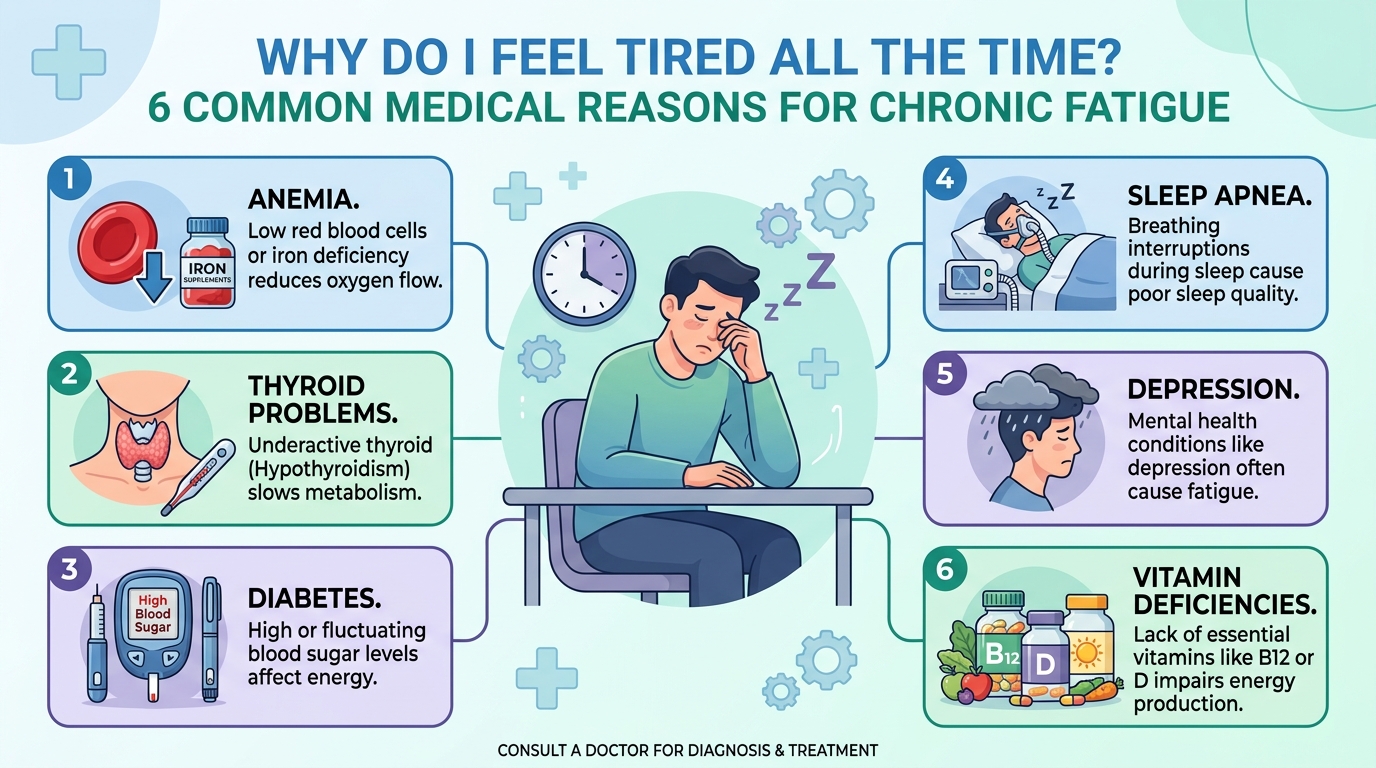
Constant fatigue is one of the most common reasons people visit primary care doctors. Here are 6 common medical reasons you might be feeling tired all the time, and how to address them.
1. Iron Deficiency Anemia (Low Oxygen Delivery)
Anemia is a condition where your blood has a lower-than-normal amount of red blood cells or hemoglobin. Hemoglobin is a protein that binds to oxygen.
Simply put, if you don’t have enough iron, your blood cannot carry enough oxygen to your brain, muscles, and tissues. The result? You feel completely drained, weak, and short of breath even after minimal physical effort.
- Who is at risk: Women with heavy periods, pregnant women, vegetarians/vegans, and people with gastrointestinal conditions like celiac disease.
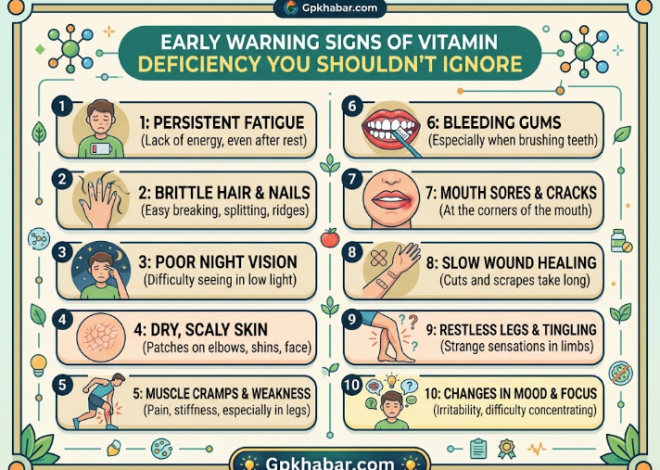
- Other signs: Pale skin, cold hands and feet, brittle nails, and dizziness.
- The Fix: Ask your doctor for a complete blood count (CBC) and a ferritin (stored iron) test. If levels are low, they may recommend iron supplements and a diet rich in iron (spinach, lentils, red meat, and pumpkin seeds).
2. An Underactive Thyroid (Hypothyroidism)
Your thyroid is a small, butterfly-shaped gland in your neck. It produces hormones that control your metabolism—the speed at which your body converts food into energy.
When your thyroid is underactive (hypothyroidism), it doesn’t produce enough of these hormones. Your entire body system slows down, making you feel sluggish, heavy, and mentally foggy.
- Other signs: Unexplained weight gain, dry skin, constipation, feeling unusually cold, and muscle weakness.
- The Fix: A simple blood test called a TSH (Thyroid Stimulating Hormone) test can check your thyroid function. If diagnosed, hypothyroidism is highly treatable with daily thyroid hormone replacement medication.
3. Vitamin D Deficiency (The Sunshine Vitamin)
Vitamin D is unique because your body synthesizes it when your skin is exposed to sunlight. It plays a massive role in bone health, immune function, and—most importantly for fatigue—cellular energy production.
In our modern indoor lifestyles, Vitamin D deficiency is incredibly common. Research shows that low levels of Vitamin D are directly linked to chronic muscle weakness and unexplained fatigue.
- Other signs: Bone and lower back pain, muscle aches, frequent infections, and mood changes (like depression).
- The Fix: Get your Vitamin D levels tested. To improve it, spend 15 minutes in morning sunlight daily, eat foods like egg yolks and fatty fish, or speak to your doctor about a high-quality Vitamin D3 supplement.
4. Poor Sleep Quality or Sleep Apnea
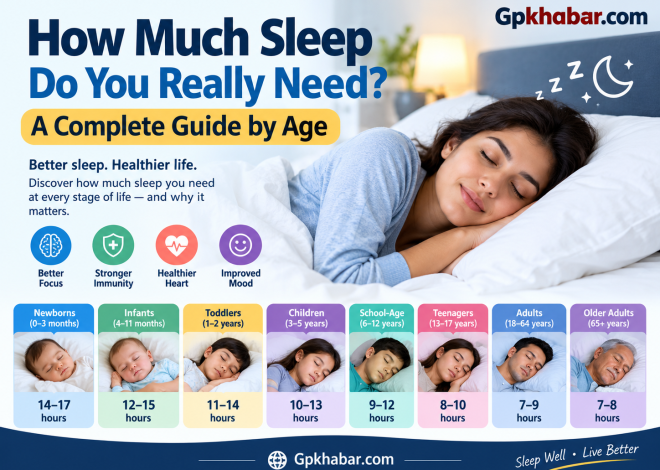
You might be spending 8 hours in bed, but are you actually sleeping?
A common culprit behind morning fatigue is Obstructive Sleep Apnea (OSA). This is a condition where your throat muscles temporarily relax, blocking your airway during sleep. This causes you to stop breathing for short periods, forcing your brain to wake you up slightly to catch your breath—even if you don’t remember it.
- Other signs: Loud snoring, waking up with a dry mouth or a headache, and gasping for air during the night.
- The Fix: If you suspect sleep apnea, a doctor can arrange a sleep study. Treatments range from lifestyle changes (like sleeping on your side) to using a CPAP machine that keeps your airway open.
5. Blood Sugar Imbalances (Early Diabetes)
When you eat, your body converts food into glucose (sugar) for energy. Your pancreas produces insulin to help transport this sugar into your cells.
If you have insulin resistance or Type 2 diabetes, your cells struggle to absorb this glucose. Even though there is plenty of sugar in your bloodstream, your cells are starving for energy, leaving you feeling exhausted after meals.
- Other signs: Extreme thirst, frequent urination, unexplained weight loss, and blurry vision.
- The Fix: Ask your doctor for an HbA1c test, which measures your average blood sugar levels over the past three months. Managing carbs, eating fiber-rich foods, and staying active can naturally improve insulin sensitivity.
6. Chronic Low-Grade Dehydration
Sometimes, the simplest explanation is the right one. Most people do not drink enough water throughout the day.
When you are even mildly dehydrated, your blood volume drops, making your blood thicker. This forces your heart to pump harder and work less efficiently to deliver oxygen and nutrients to your organs, resulting in immediate physical and mental fatigue.
- Other signs: Dry mouth, dark urine, mild headaches, and trouble concentrating.
- The Fix: Don’t wait until you are thirsty. Keep a glass of water near you and sip it throughout the day. Aim for a pale, clear urine color.
How to Get Your Energy Back: A 3-Step Action Plan
Before you buy expensive energy drinks or supplements, try this basic routine for two weeks:
- Keep a Food and Energy Journal: Track what you eat, how much sleep you get, and your energy levels throughout the day. Look for patterns (e.g., feeling tired 1 hour after eating a sugary lunch).
- Prioritize Sleep Hygiene: Go to bed and wake up at the exact same time every day—even on weekends. Keep your phone out of the bedroom.
- Get Basic Blood Work Done: Schedule an annual check-up and ask for a panel that includes CBC, Ferritin, Thyroid (TSH), Vitamin D, Vitamin B12, and HbA1c. These basic tests catch about 80% of medical reasons for fatigue.
Frequently Asked Questions (FAQs)
How is normal tiredness different from chronic fatigue?
Normal tiredness is resolved by a good night’s sleep or a quiet weekend. Chronic fatigue is a deep, persistent exhaustion that lasts for weeks or months and does not improve with rest, often impacting your ability to work or socialize.
Can stress make you physically tired?
Yes. Chronic mental stress triggers a continuous release of the hormone cortisol. Over time, high cortisol levels disrupt your sleep, deplete your body’s energy reserves, and cause physical muscle tension, leaving you physically exhausted.
Is caffeine making me more tired?
It can be. Caffeine is a temporary band-aid. Relying on too much caffeine disrupts your natural sleep cycles and can lead to a “caffeine crash” once it wears off, making you feel more fatigued than before.