AI & Telehealth Advancements: From Virtual Visits to Intelligent, Always-On Care
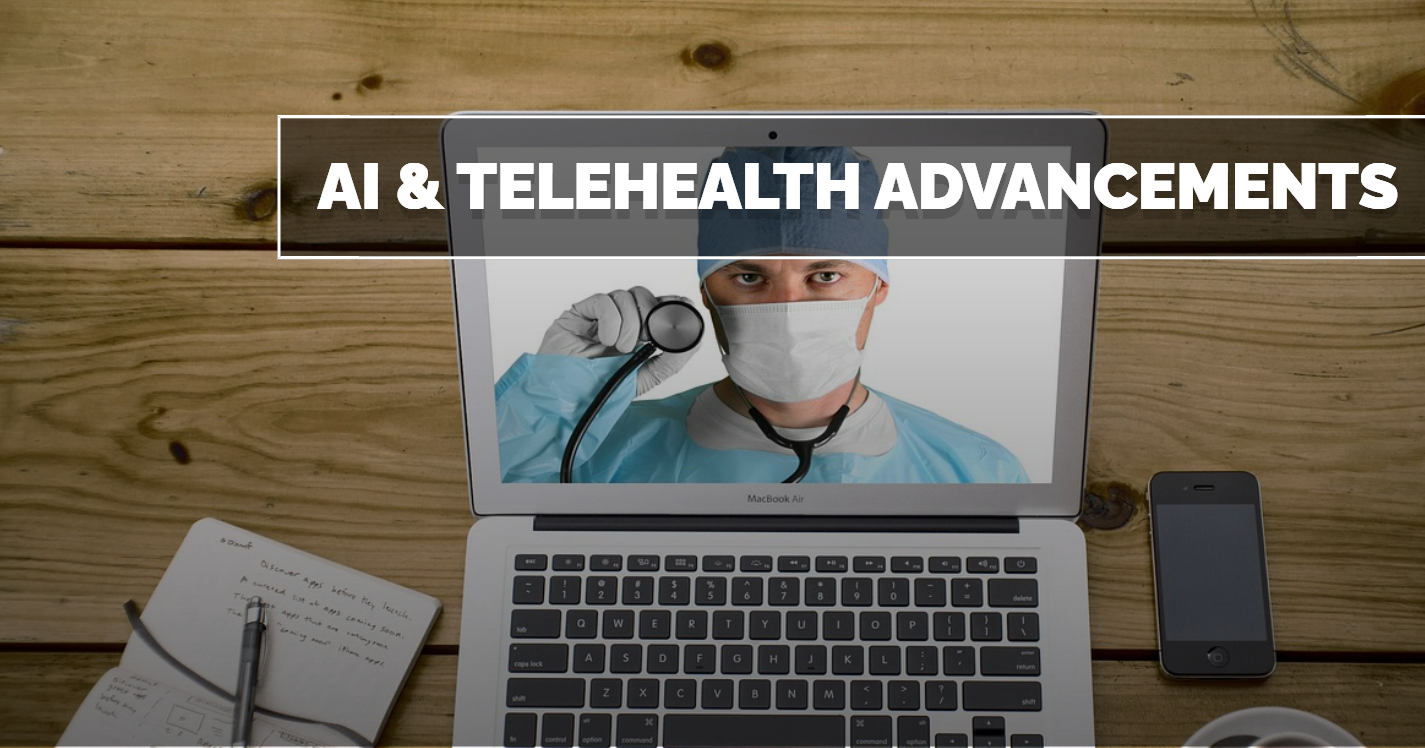
Telehealth has moved distant past video calls. The following time is characterized by counterfeit insights discreetly fueling triage, determination, care route, and ceaseless checking behind the scenes. Together, AI and telehealth are reshaping pharmaceutical into a proactive, data-driven, and more personalized benefit that meets patients where they are—at domestic, at work, or on the move. Here’s how the pieces fit together, what’s working nowadays, and what’s coming next.
1) More intelligent front entryways: AI triage and care navigation
Virtual care begins long some time recently a clinician shows up on screen. Indication checkers and AI chat collaborators presently capture chief complaints, inquire versatile follow-up questions, and course patients to the right level of care—self-care, an e-visit, an pressing teleconsult, or an in-person arrangement. These apparatuses diminish hold up times, standardize admissions notes, and offer assistance maintain a strategic distance from pointless ER visits. When coordinates with planning, protections qualification checks, and dialect localization, they ended up a consistent “front door” that increments get to whereas bringing down regulatory burden.
2) Virtual visits with clinical superpowers
AI doesn’t supplant clinicians amid teleconsults; it increases them. Real-time note era changes over discussion into organized documentation, liberating suppliers to center on patients, not consoles. Restorative discourse acknowledgment presently captures complements, therapeutic phrasing, and codeable concepts like drugs and measurements. Computer vision can help with farther exams—analyzing skin injuries beneath great lighting, evaluating respiratory rate from unpretentious chest developments, or checking run of movement after orthopedic wounds. Whereas last judgment remains with the clinician, these devices move forward precision and consistency and make cleaner information for the record.
3) Farther understanding observing that predicts, not fair records
Wearables and associated devices—blood weight sleeves, glucometers, beat oximeters, keen scales—stream persistent information to care groups. The genuine move is AI models that partitioned flag from commotion. Instep of “alert fatigue,” calculations see for patterns and multi-parameter designs (e.g., weight pick up also rising nighttime heart rate) to hail early decompensation in heart disappointment or COPD. Hazard scores trigger escalations: a nurture check-in, medicine titration, or a same-day tele-visit. For persistent illness administration, this turns long winded care into a nonstop security net, decreasing hospitalizations and progressing quality-of-life.
4) Imaging, diagnostics, and at-home testing
Telehealth progressively incorporates diagnostics. AI-assisted peruses of chest X-rays, retinal photographs, or dermatology pictures can be captured in community locales or indeed at domestic with smartphone connections. In essential care teleconsults, clinicians can arrange mail-in labs or quick domestic tests; AI at that point makes a difference translate comes about inside the patient’s setting (history, meds, comorbidities). For radiology and pathology, AI pre-screens ponders, prioritizes pressing discoveries, and offers measured measurements—accelerating turnaround times when each miniature matters.
5) Mental wellbeing: scale with empathy
Demand for mental wellbeing administrations exceeds supply in numerous locales. Teletherapy extended get to; AI is growing capacity. Advanced companions can coach CBT strategies between sessions, track disposition signals from dialect and rest designs (with assent), and caution clinicians to hoisted suicide hazard. Natural-language models offer assistance advisors with advance notes and personalized homework plans. Significantly, these frameworks must be outlined with straightforwardness, opt-in information utilize, and human oversight to protect believe and restorative alliance.
6) Medicine administration and adherence
AI-enhanced telepharmacy confirms intuitive, banners duplications, and tailors counseling to proficiency level and dialect. Computer vision can affirm pill personality and tally, whereas pushes are coordinated to an individual’s schedules. For complex regimens—oncology, transplant medicine—predictive models recognize who is likely to pass and why (side impacts, taken a toll, perplexity), provoking focused on outreach or maybe than non specific reminders.
7) Interoperability, summarized: the right data at the right moment
A common boundary in virtual care is divided information. Advanced telehealth stages utilize APIs and FHIR guidelines to drag sensitivities, meds, labs, and imaging into a single see. AI at that point summarizes what things for this visit—recent steroid bursts in an asthma understanding, renal work patterns some time recently anti-microbial choices, or social drivers like transportation needs that will influence follow-up. These “context cards” diminish cognitive stack and bolster more secure decisions.
8) Quality, security, and inclination: building dependable systems
AI in care must be reasonable, logical, and secure. That implies different preparing information, inclination testing over subpopulations, clear show provenance, and schedule post-deployment observing. Explainability is not a extravagance: clinicians require to get it why a demonstrate raised an caution, what factors drove the chance score, and how certain it is. Telehealth workflows ought to incorporate simple heightening to human survey and components for patients to challenge or redress information. Protection safeguards—encryption, information minimization, and on-device handling where feasible—are table stakes.
9) Direction and repayment are catching up
Regulators and payers progressively recognize that virtual care with AI bolster can be rise to or prevalent to in-person care for numerous scenarios. Scope for inaccessible quiet observing, inveterate care administration, and tele-behavioral wellbeing has extended in numerous markets. Anticipate proceeded refinement: quality measures tied to results (readmission rates, A1C enhancement), documentation guidelines for AI-generated notes, and clarity on risk when algorithmic suggestions are included. Straightforward review trails—what the show recommended, what the clinician did—will be essential.
10) Wellbeing value: coming to the final mile
Telehealth dangers broadening holes if network, gadgets, or education are boundaries. The settle is deliberateness plan: low-bandwidth modes, nonconcurrent informing alternatives, multilingual interfacing, and community centers (clinics, drug stores) that give private rooms with gadgets for virtual visits. AI can identify social chance variables from admissions information and course patients to community resources—transportation vouchers, nourishment bolster, or advanced proficiency coaching—closing circles that regularly crash care plans.
11) Developing horizons
- Multimodal AI: Models that together reason over content, pictures, waveforms, and sensor streams will provide wealthier assessments—think ECG + hack sound + side effect account for respiratory triage.
- Edge AI: Running models on phones and wearables empowers real-time choices without sending crude information to the cloud, progressing security and latency.
- Digital twins: Longitudinal understanding “twins” mimic how a particular person might react to intercessions, supporting personalized care plans.
- Agentic workflows: AI operators can facilitate tasks—book imaging, ask earlier auth, plan follow-ups, orchestrate domestic conveyance of equipment—under human supervision.
- Home clinic: As checking and coordinations develop, more intense conditions (IV anti-microbials, post-op recuperation) can be overseen at domestic with tele-rounds and AI-guided protocols.
12) What victory looks like (and how to degree it)
Organizations ought to set clear targets and track them relentlessly:
- Access: time to arrangement, after-hours scope, dialect availability.
- Quality: adherence to rules, symptomatic precision, readmission rates.
- Experience: clinician documentation time, persistent fulfillment, dropout rates.
- Equity: utilization and results by geology and statistic groups.
- Economics: taken a toll per scene, no-show lessening, maintained a strategic distance from ER visits.
Dashboards that combine telehealth utilization with AI execution measurements (precision/recall of alarms, supersede rates, float discovery) keep programs genuine and improvable.
13) A viable guide for providers
- Start with a utilize case, not a apparatus. Choose a high-impact pathway—e.g., hypertension or post-discharge follow-up—and outline the end-to-end workflow.
- Integrate firmly with the EHR. Dodge swivel-chair apps. Point for single sign-on, organized information capture, and robotized charging artifacts.
- Design for security. Set up show administration, inclination testing, and clinician abrogate arrangements some time recently go-live.
- Pilot, degree, emphasize. Run controlled rollouts, compare against baselines, and accumulate subjective input from clinicians and patients.
- Invest in alter administration. Prepare staff, clarify modern parts (e.g., virtual care facilitators), and celebrate speedy wins to construct momentum.
Bottom line: AI is the constrain multiplier that makes telehealth more than a helpful elective. By increasing clinicians, anticipating chance from persistent information, and organizing care coordinations, AI changes virtual care into an shrewdly, always-on framework. The victors will be those who construct reliable, interoperable workflows that extend get to, raise quality, ensure protection, and provide quantifiable outcomes—turning the guarantee of “care anywhere” into an regular reality.