Do You Really Need Supplements? A Doctor-Backed Guide to Vitamins
In an time of “fibermaxxing” and personalized wellness stacks, the dietary supplement industry is anticipated to reach exceptional statures. Social media influencers regularly propose that a modest bunch of pills is the “lost connect” to interminable vitality and idealize skin. But what does the restorative community really say?
Current clinical investigate proposes a move from all inclusive supplementation to accuracy treatment, emphasizing that for most solid grown-ups, a adjusted count calories remains the gold standard (GlobalRPH, 2026). This direct investigates the science-backed reality of vitamins, who really needs them, and the covered up dangers of “over-stacking.”
The “Supplement Conundrum”: Notoriety vs. Proof
Today’s clinicians confront a catch 22: whereas micronutrient insufficiencies like Vitamin D stay predominant around the world, the clinical payoff of schedule multivitamins (MVMs) for the common populace is humble at best (PMC, 2026).
- Heart Wellbeing: Large-scale meta-analyses, counting the Crucial trial, have reliably fizzled to illustrate that schedule MVMs decrease the hazard of major cardiovascular occasions or mortality in well-nourished grown-ups (PMC, 2026).
- Cancer Avoidance: Prove for cancer avoidance through supplements remains minimal, with no noteworthy affect on generally mortality rates (PMC, 2026).
- Cognitive Edge: There is a silver lining for more seasoned grown-ups. Later information propose little but quantifiable benefits in worldwide cognition and verbose memory for seniors taking day by day multivitamins (PMC, 2026).
When Are Supplements Restoratively Necessary?
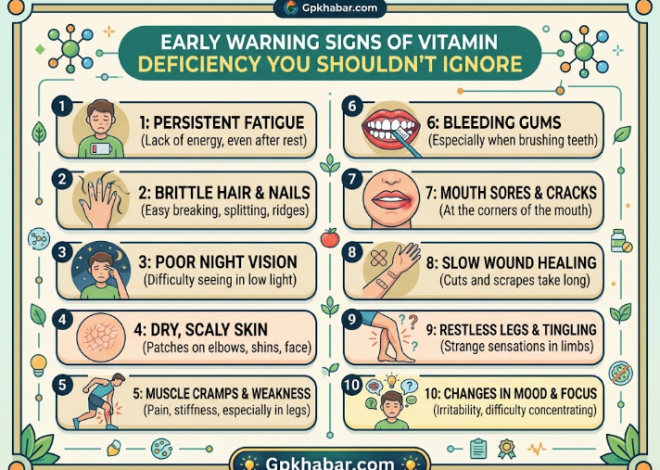
Doctors concur that supplements are not “protections arrangements” for a destitute slim down, but or maybe focused on intercessions for particular natural needs. You likely require supplements if you drop into these categories:
1. Reported Deficiencies
If blood tests affirm a clinical need, supplementation is the essential treatment. Common worldwide issues incorporate Press, Vitamin A, and Folate insufficiencies, which excessively influence juvenile young ladies and pregnant ladies (Our World in Information, 2026).
2. Particular Life Stages & Lifestyles
Pregnancy/Lactation: Folic corrosive and press are basic for anticipating neural tube abandons and maternal frailty (Our World in Information, 2026).
Vegan/Vegetarian Diets: Strict plant-based eaters frequently require Vitamin B12, as it is fundamentally found in creature items (PMC, 2026).
Older Grown-ups: Maturing diminishes the body’s capacity to synthesize Vitamin D from daylight and assimilate B12. Supplements can offer assistance avoid sarcopenia (muscle misfortune) and bone breaks (GlobalRPH, 2026; PubMed, 2026).
3. Therapeutic Conditions
Individuals who have experienced bariatric surgery, those with malabsorption disorders (like Celiac malady), or those on long-term proton pump inhibitors regularly require medical-grade supplementation (PMC, 2026).
| Nutrient | Current Medical Consensus | Key Finding |
| Vitamin D | Transitioning to “Precision Therapy” | Obese individuals may need 2–3x higher doses to achieve healthy levels (GlobalRPH, 2026). |
| Fiber | The “Fibermaxxing” Trend | While essential for gut health, exceeding the recommended 25–38g daily provides no proven extra benefit (UGA FACS, 2026). |
| Calcium | Targeted for Bone Density | Best when combined with Vitamin D for osteoporosis, but excess can lead to kidney stones (PMC, 2026). |
The Dull Side: Can You Take As well Numerous Vitamins?
The “more is superior” attitude is a noteworthy open wellbeing concern. Roughly 18.5% of supplement clients surpass the manufacturer-recommended measurements, frequently intentioned (PMC, 2026).
Risks of Hypervitaminosis
- Vitamin A: Inveterate overabundance can lead to liver brokenness, bone delicacy, and extreme cerebral pains (PMC, 2026).
- Vitamin D & Calcium: Over-supplementation without checking can cause hypercalcemia (overabundance calcium in the blood), driving to heart arrhythmias and kidney stones (PMC, 2026).
- Vitamin E: High-dose supplementation has been connected to a slight increment in all-cause mortality (PMC, 2026).
Dangerous Interactions
Supplements can moreover “conversation” to your medicines in perilous ways. For case, Vitamin K can decrease the viability of blood thinners like warfarin, whereas minerals like Magnesium and Zinc can meddled with the retention of certain anti-microbials (PMC, 2026).
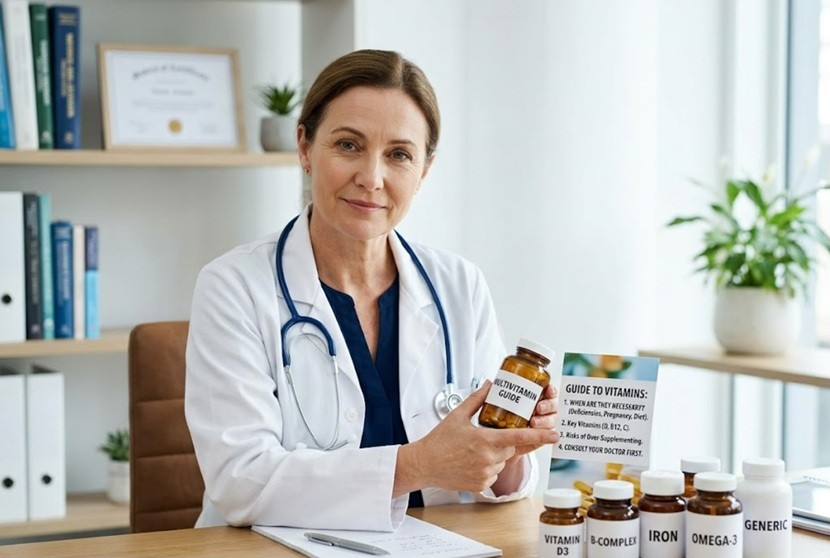
Doctor-Backed Decision: How to Choose
Before including a modern bottle to your cabinet, take after this therapeutic protocol:
- Test, Do not Figure: Get a comprehensive blood board to distinguish genuine gaps.
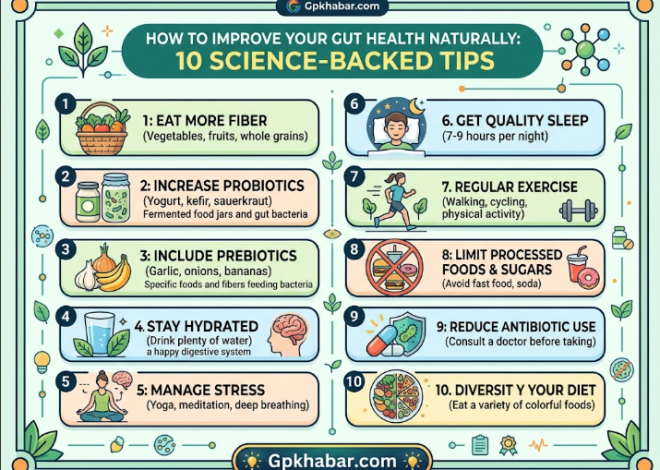
- Food To begin with: Prioritize entire grains, natural products, and vegetables. “Fibermaxxing” through nourishment is more secure than high-dose supplements, which can cause intestinal trouble (UGA FACS, 2026).
- Consult a Proficient: A Enlisted Dietitian (RDN) can offer assistance recognize between “wellbeing vs. buildup” (UGA FACS, 2026).
The foot line: Supplements are effective devices for adjusting particular insufficiencies, but they cannot supplant the complex cooperative energy of supplements found in a sound eat less.